After an absence of nearly 15 years, Santana Motors returns to the forefront again, in one of the most exciting re-corporate stories in the automotive world, and this time with direct support from giant Chinese companies.
The Spanish brand, which may not be familiar to many today, has a long history dating back to the 1950s, and now it is resuming car production from the heart of Spain, specifically from its factory in the city of Linares.
Santana Motors will make a Spanish-Chinese pickup
From the manufacture of Land Rover to its disappearance and then sudden return
Santana Motors was founded in the 1950s, and began its industrial journey in 1958 when it obtained an official license to manufacture Land Rover vehicles in Spain. The company was not limited to the local market, but also exported its cars to Europe, Africa, and South America.
At the beginning of the 1980s, Santana Motors began developing its own cars, then entered into a partnership with Suzuki in the mid-1980s, and this step resulted in the production of famous models such as the SJ under the Santana name.
But in the mid-nineties and the beginning of the new millennium, the company faced successive financial crises, which ended with failed rescue attempts, before production stopped completely in 2011 until the surprise came before the end of 2025.
Production returns with a Chinese pickup with a Spanish touch
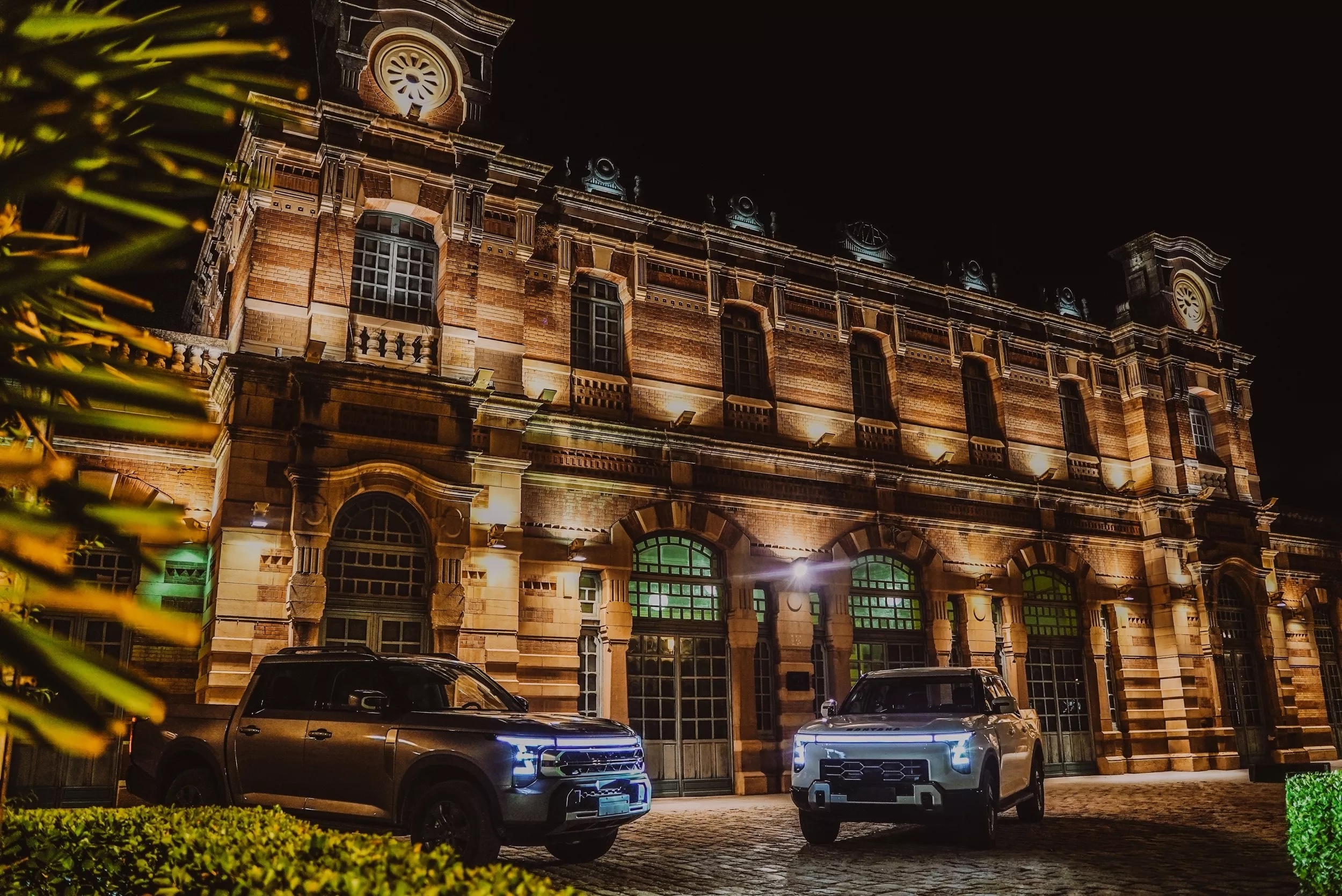
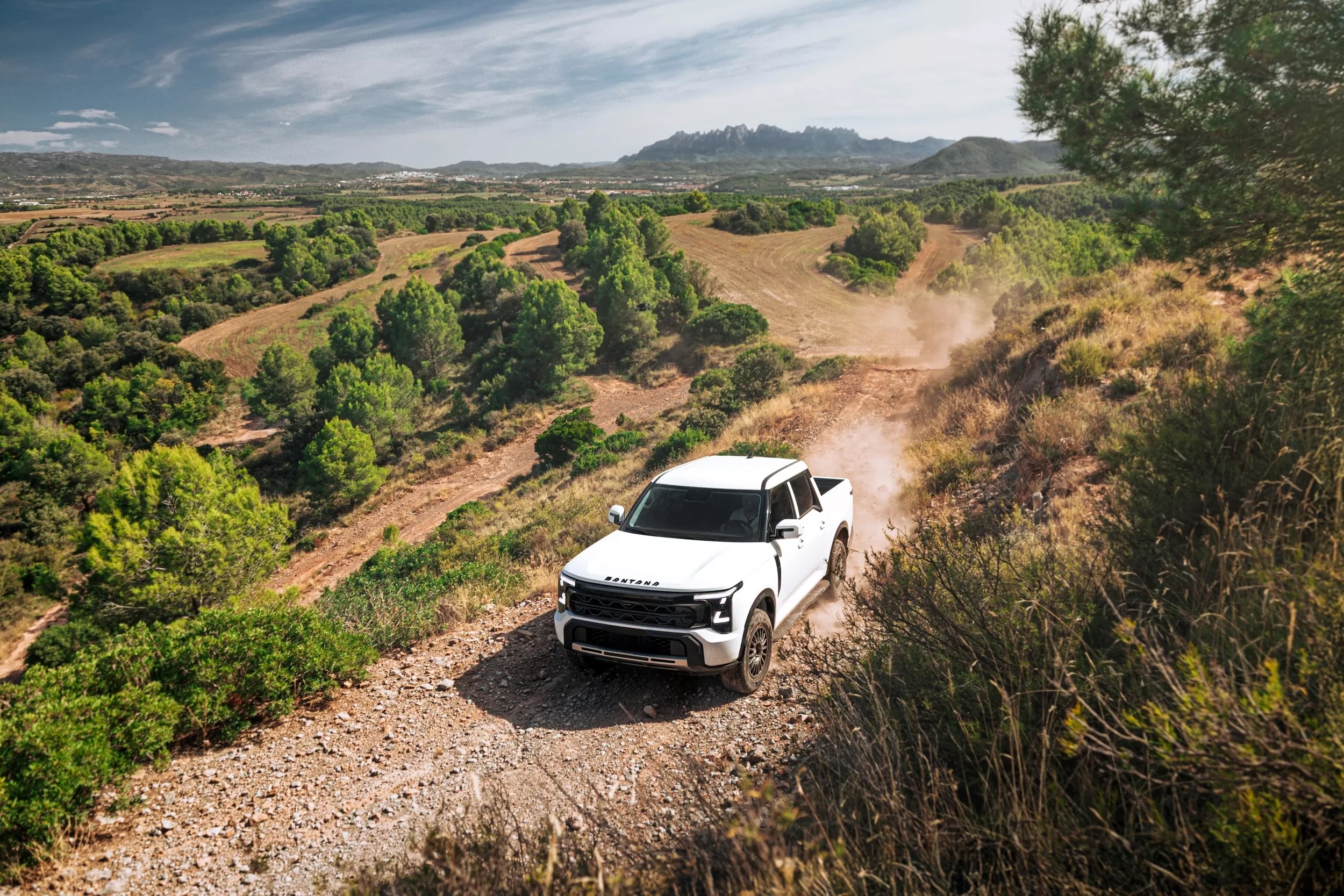
The Spanish company officially announced the resumption of car production at its Spanish factory, with the launch of two new pickup models:
- Santana 400 D
- Santana 400 PHEV
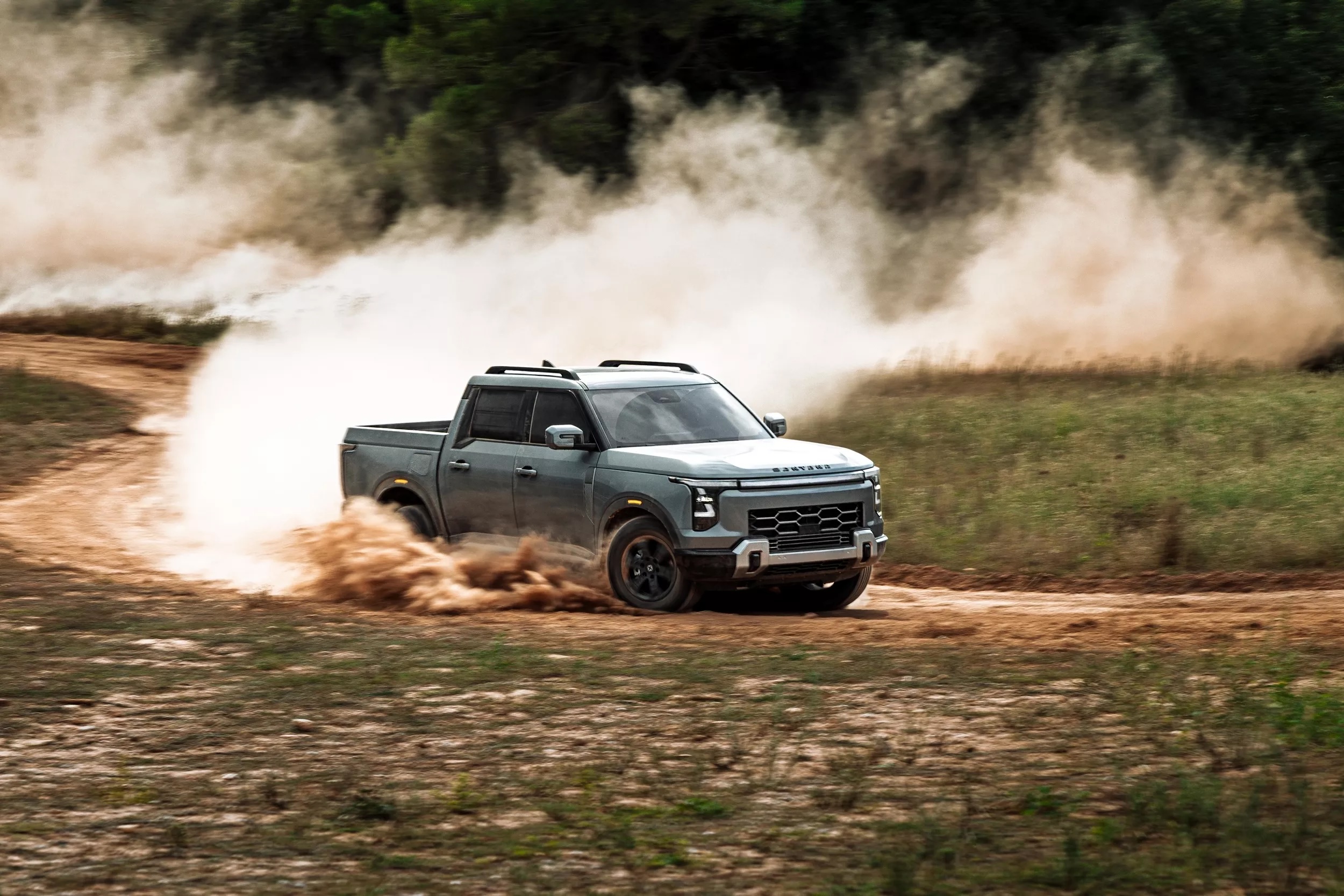
They are essentially rebadged versions of the Dongfeng/Nissan Zhengzhou Z9 truck, with the logo and identity modified.
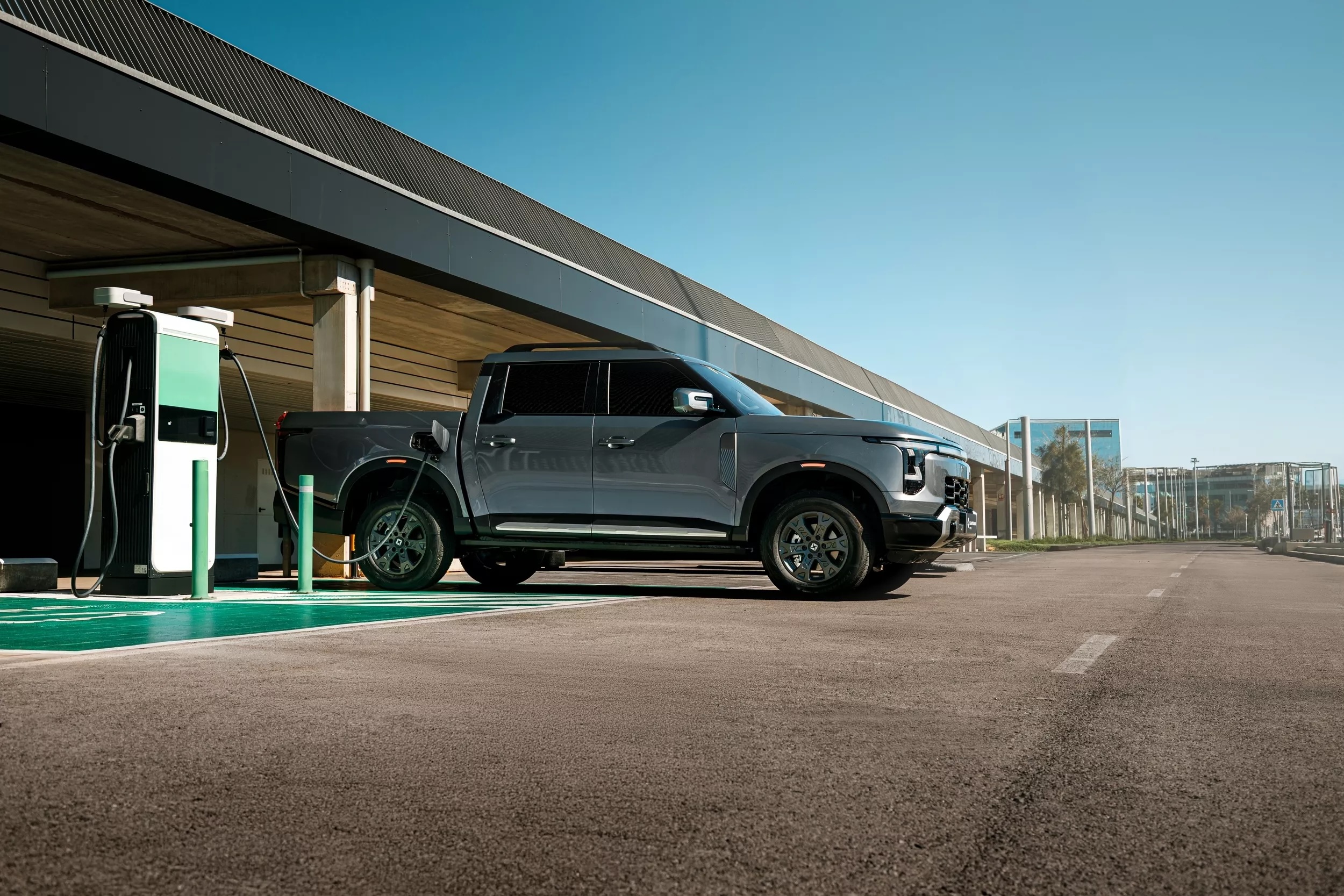
Santana 400D: Diesel power and practical reliability
The 400D version is based on a 2.3-liter diesel engine that generates 188 horsepower and 500 Nm of torque. The engine is connected to a 6-speed manual transmission or an 8-speed automatic transmission.
The vehicle will accelerate from rest to 100 km/h in 9.1 seconds, its maximum speed will reach 170 km/h, and it will have a towing capacity of 3,200 kg and a payload of 815 kg.
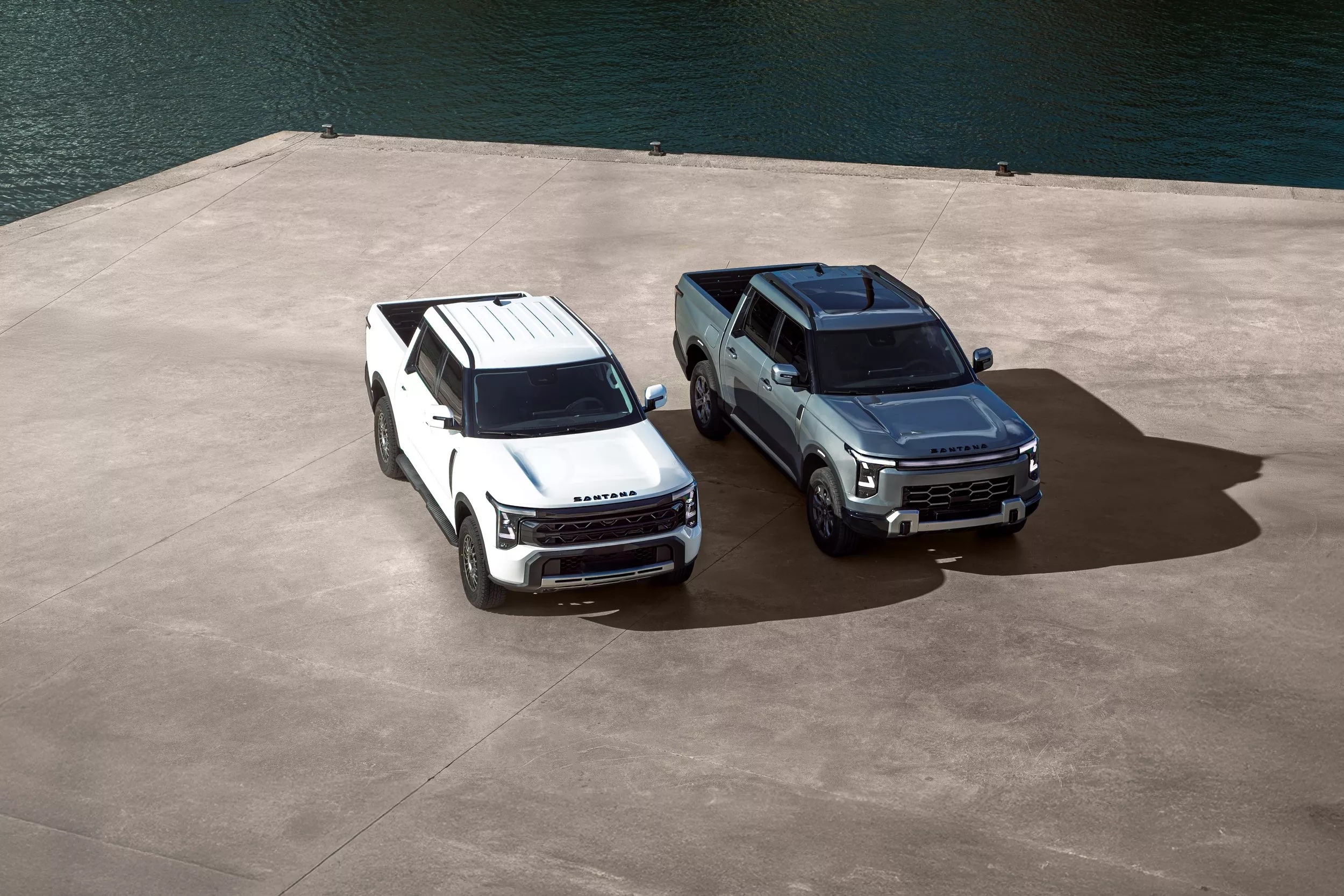
Santana 400 PHEV: Hybrid with shocking power
The most exciting version is the 400 PHEV plug-in hybrid, which combines the work of a 1.5-liter gasoline engine with an electric motor and a 32-kilowatt-hour battery, so that the total result when the two engines work together is 422 horsepower and 800 Newton meters of torque.
The car accelerates from 0 to 100 km/h in 6.5 seconds. It has an electric range of up to 120 km, making the total range about 1,046 km.
Watch our experience with BAIC BJ40
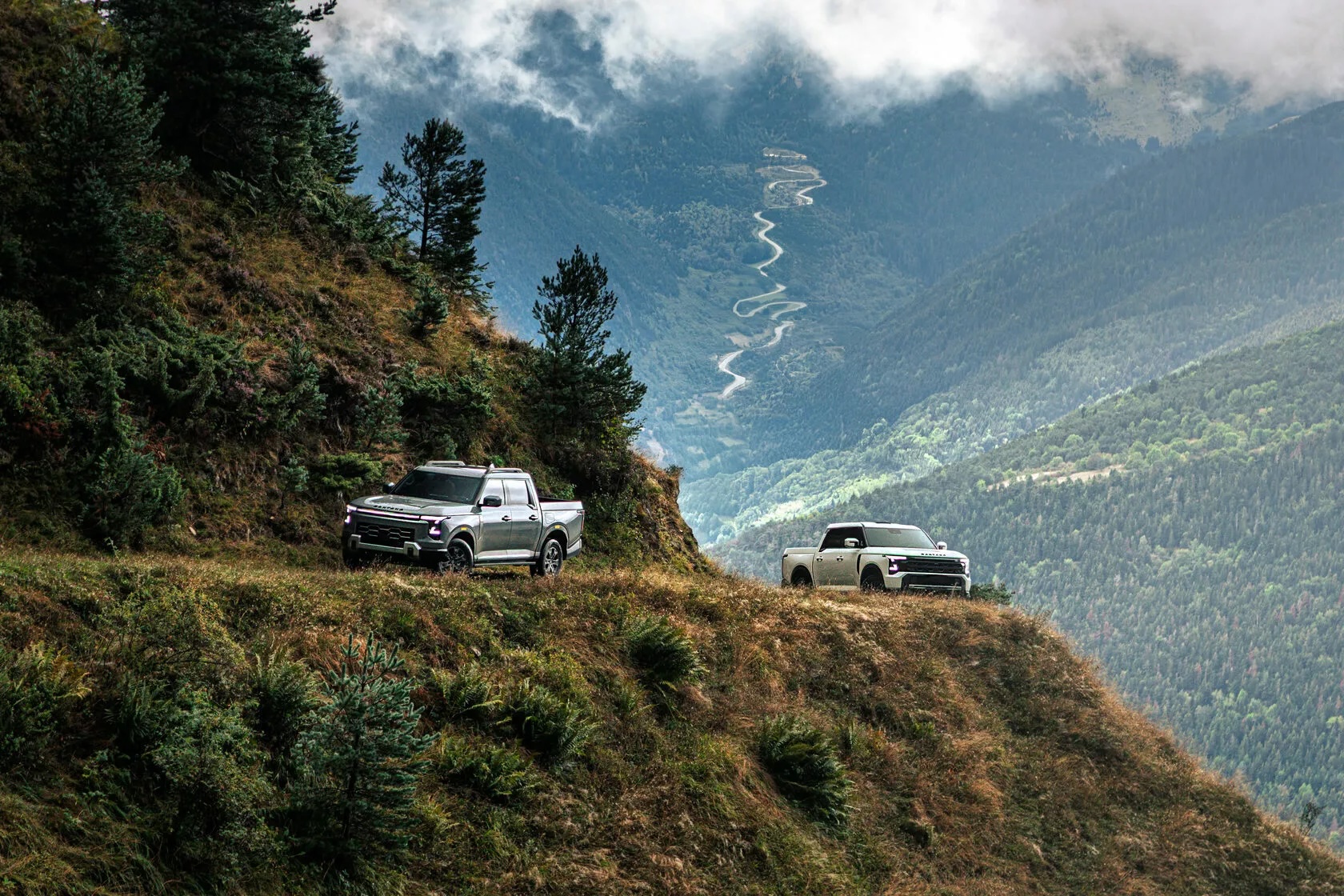
Generous amenities and competitive price
The Plug-in Hybrid version – PHEV – comes with eye-catching equipment that includes:
- Four-wheel drive system
- Side drawer
- Power output of 6 kW
- LED lights
- Sunroof
And from the inside:
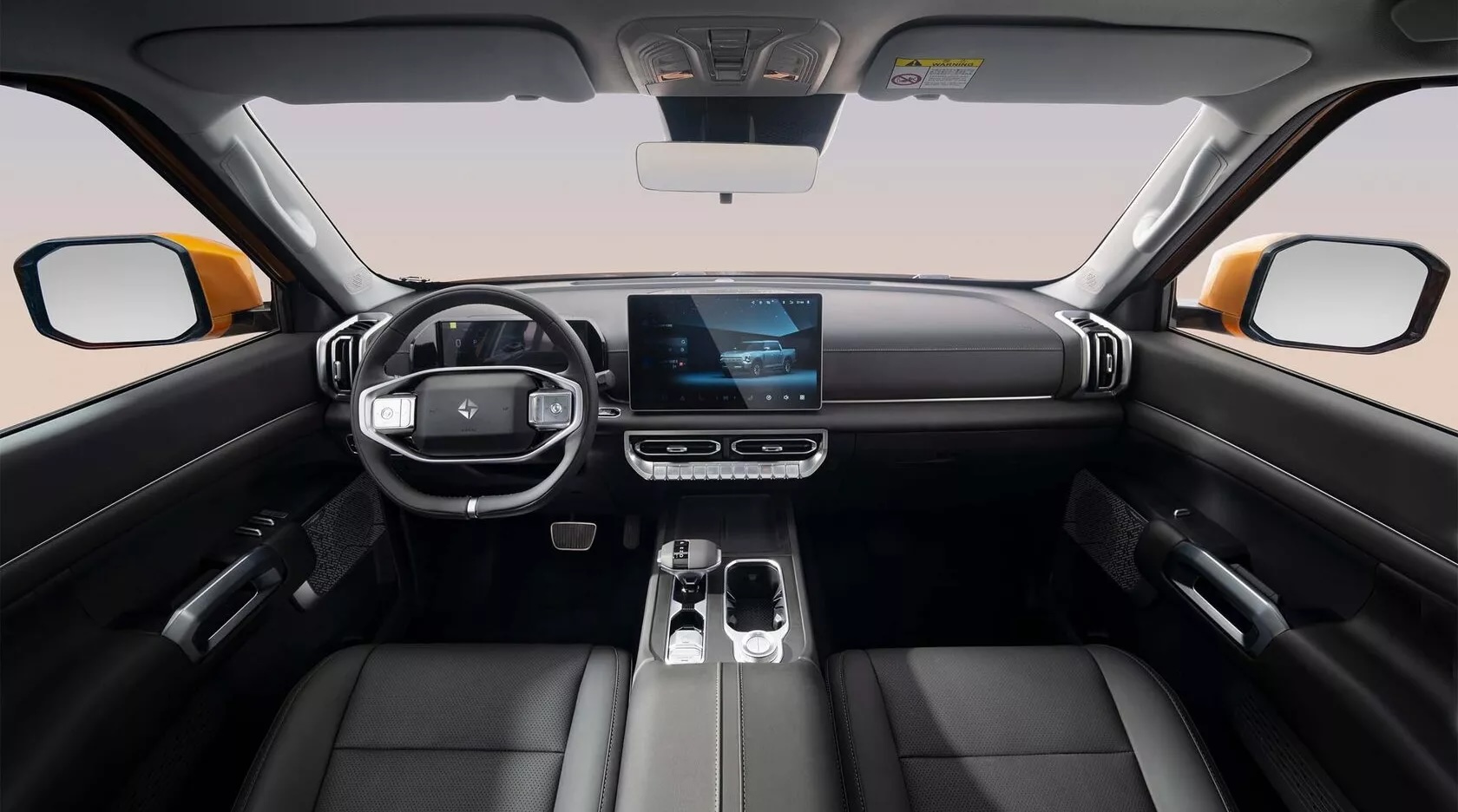
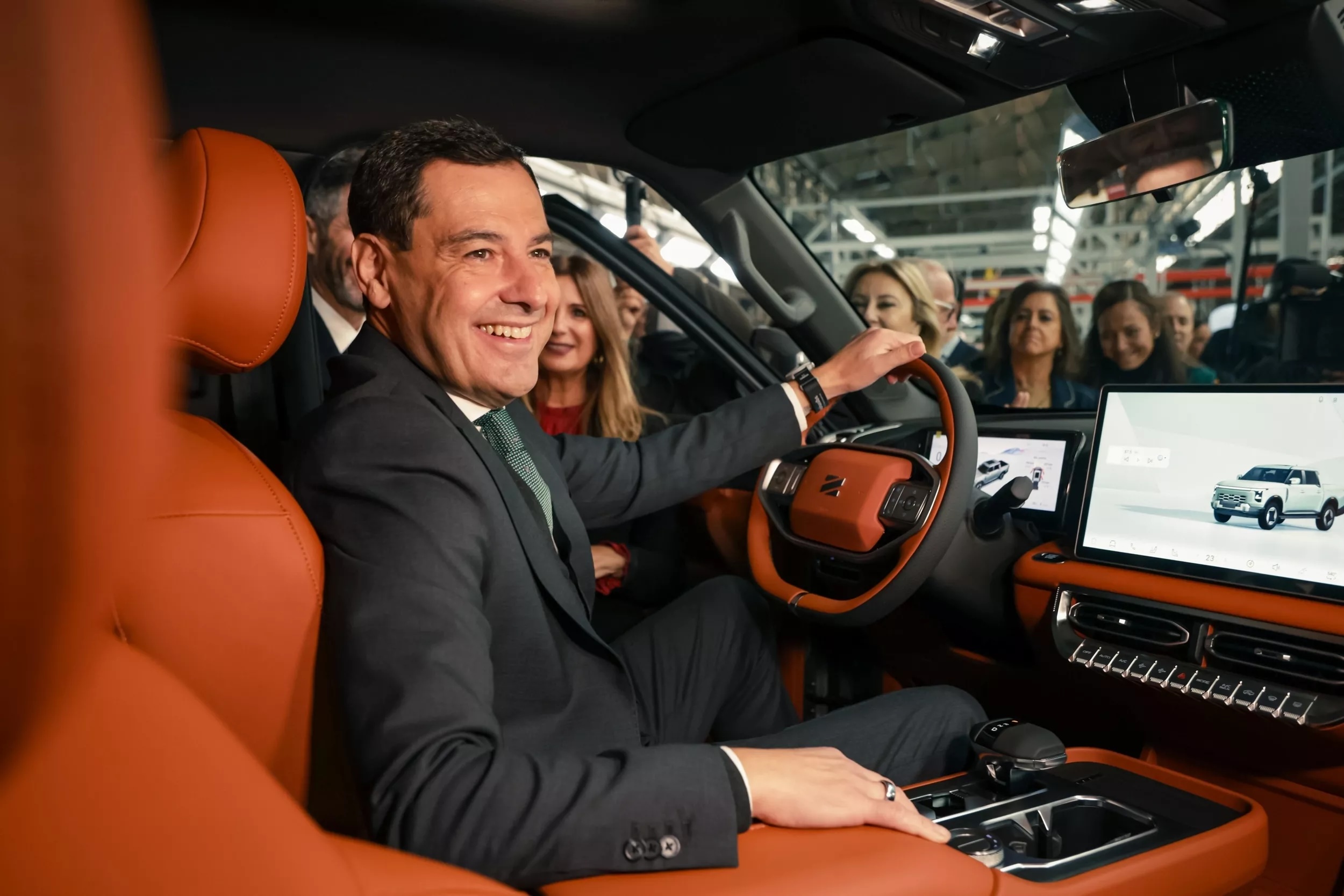
- 10 inch digital instrument screen
- The central screen for the entertainment and information system is 14.6 inches
- Heated and ventilated faux leather seats
- Dual zone air conditioning
- 50W wireless charger
In addition to an integrated package of safety and driving assistance systems.
Prices in Europe:
- The price of the Santana 400 PHEV will start at 29,900 euros, or the equivalent of 35,118 US dollars, or 131,693 Saudi riyals.
- The price of the Santana 400D Diesel will start at 44,700 euros, or the equivalent of 52,501 US dollars, or 196,879 Saudi riyals.
For comparison, the price of the Ford Ranger in Spain starts from 31,050 euros, or the equivalent of 36,470 US dollars, or 136,760 Saudi riyals.
You may be interested in: A detailed experience with the Ford Ranger Raptor
New strategic partnership with BAIC
Not only did Santana Motors return production, but it also announced a strategic agreement with the Chinese company BAIC, which stipulates:
- Importing BAIC cars with a semi-disassembled system
- Completely assembled in Spain
- Launching a new range of passenger cars and SUVs
These models are expected to be launched gradually between 2026 and 2028, with the development of future cars with a special identity and design for the Santana brand.
Conclusion
The return of Santana Motors is not just a revival of an old name, but rather a clear example of how Chinese companies have become a key player in reshaping the map of the global automotive industry, even in Europe itself.
Will this Spanish company succeed in regaining its position? The coming days will provide an answer.