As part of a step that may change the future of the global automobile industry, it appears that the European Union has actually begun to back away from its famous decision to ban internal combustion engine cars, a decision that was supposed to enter into force in 2035, and later extend strictly until 2040.
For years, the name of the European Union has been associated with one word: “strict regulations.” Car companies have always been under pressure from increasing emissions laws and merciless CO2 reduction targets, which has prompted many companies to rush towards electric cars despite limited profit margins, and sometimes losses.
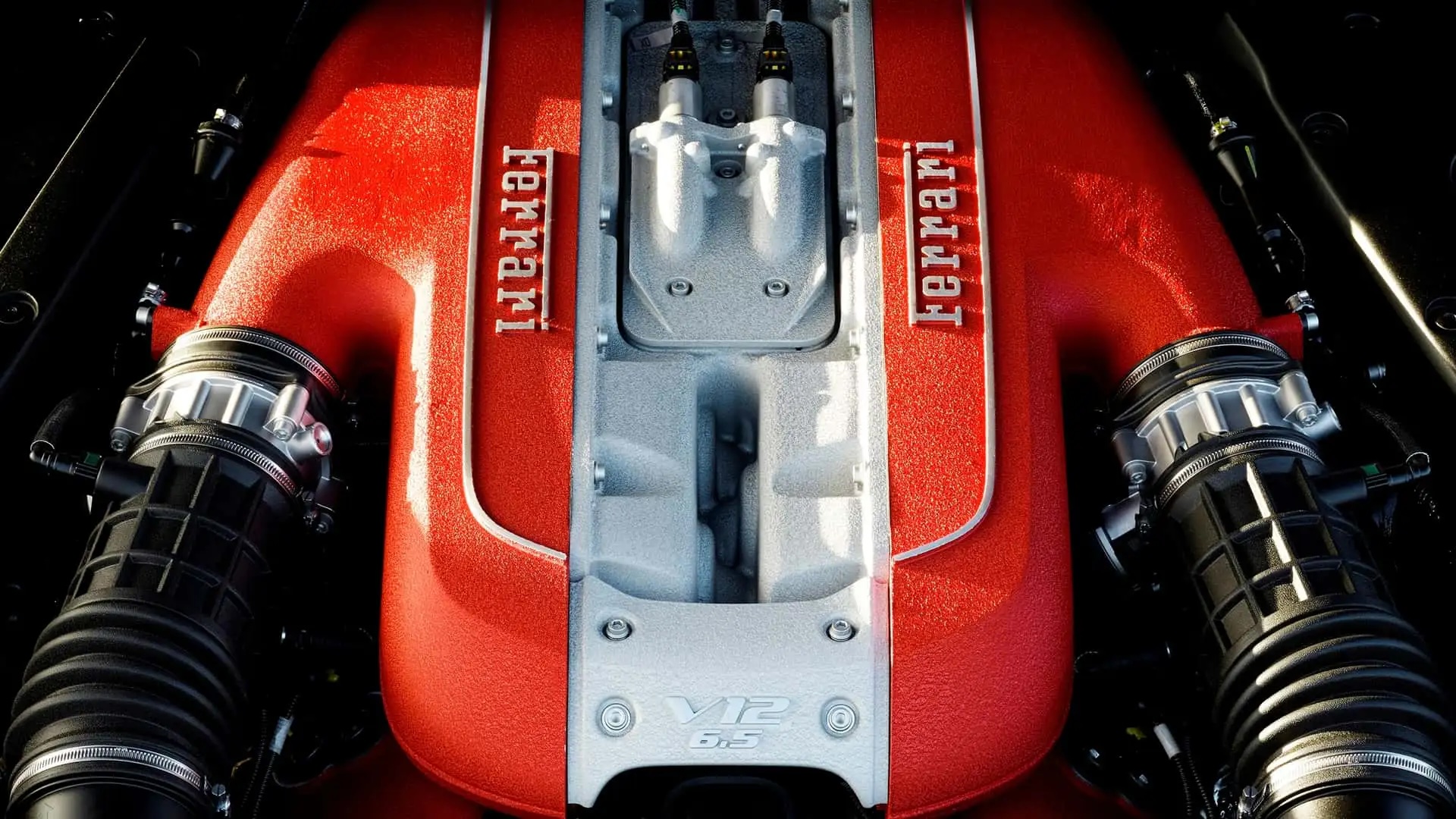
The European Union may back away from the decision to ban gasoline and diesel engines
But it seems that the winds of change have begun to blow from Brussels, according to the latest unofficial press reports
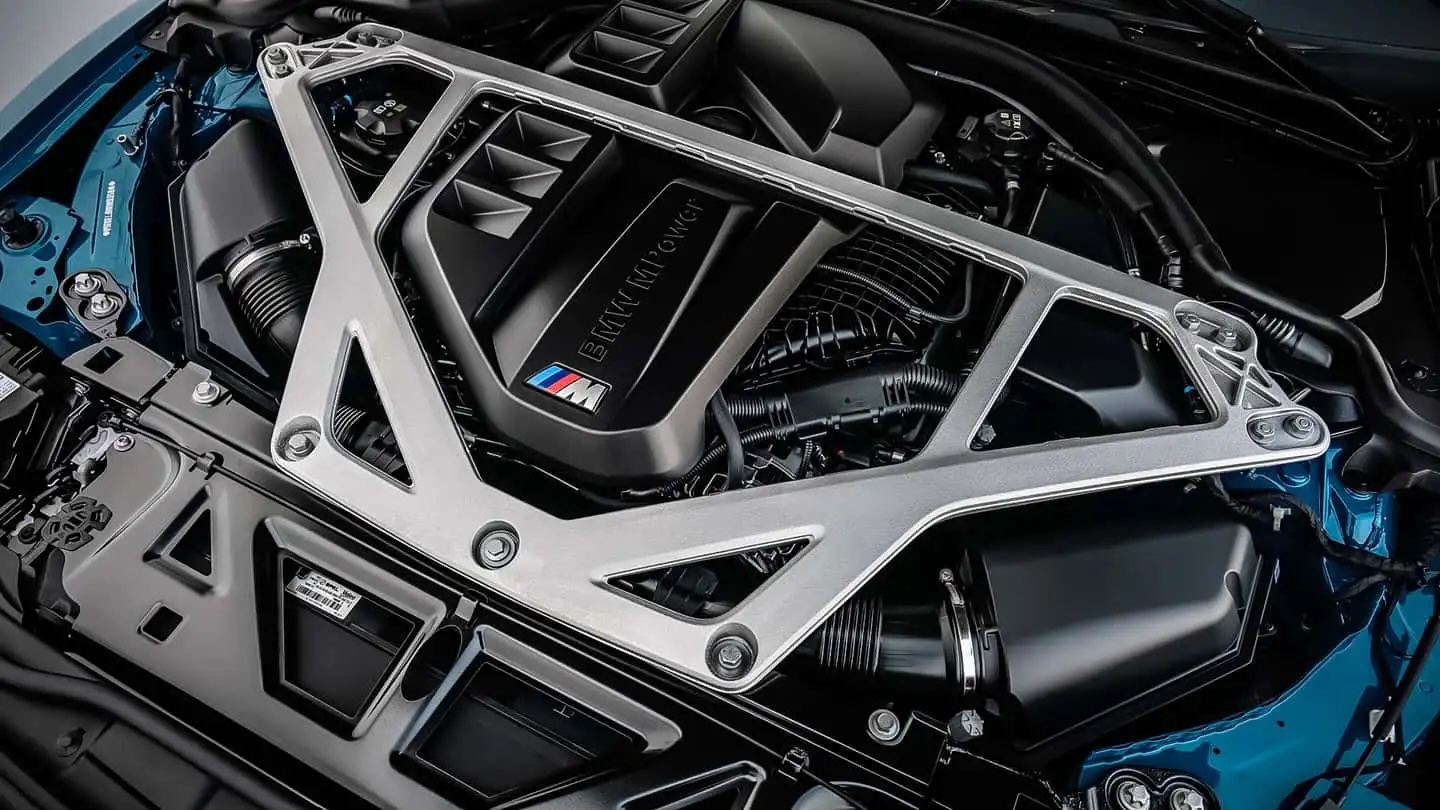
The European Union gives a ray of hope to petrol and diesel lovers
Earlier this month, the European Union Commissioner for Sustainable Transport and Tourism announced that “the sale of new cars with internal combustion engines will remain permitted beyond 2035,” which was a positive shock to traditional car enthusiasts.
Now, new reports indicate that “gasoline and diesel engines may last until the 2040s,” meaning beyond 2040, and not just for a few transitional years as previously thought.
A pivotal decision: No more technical ban!
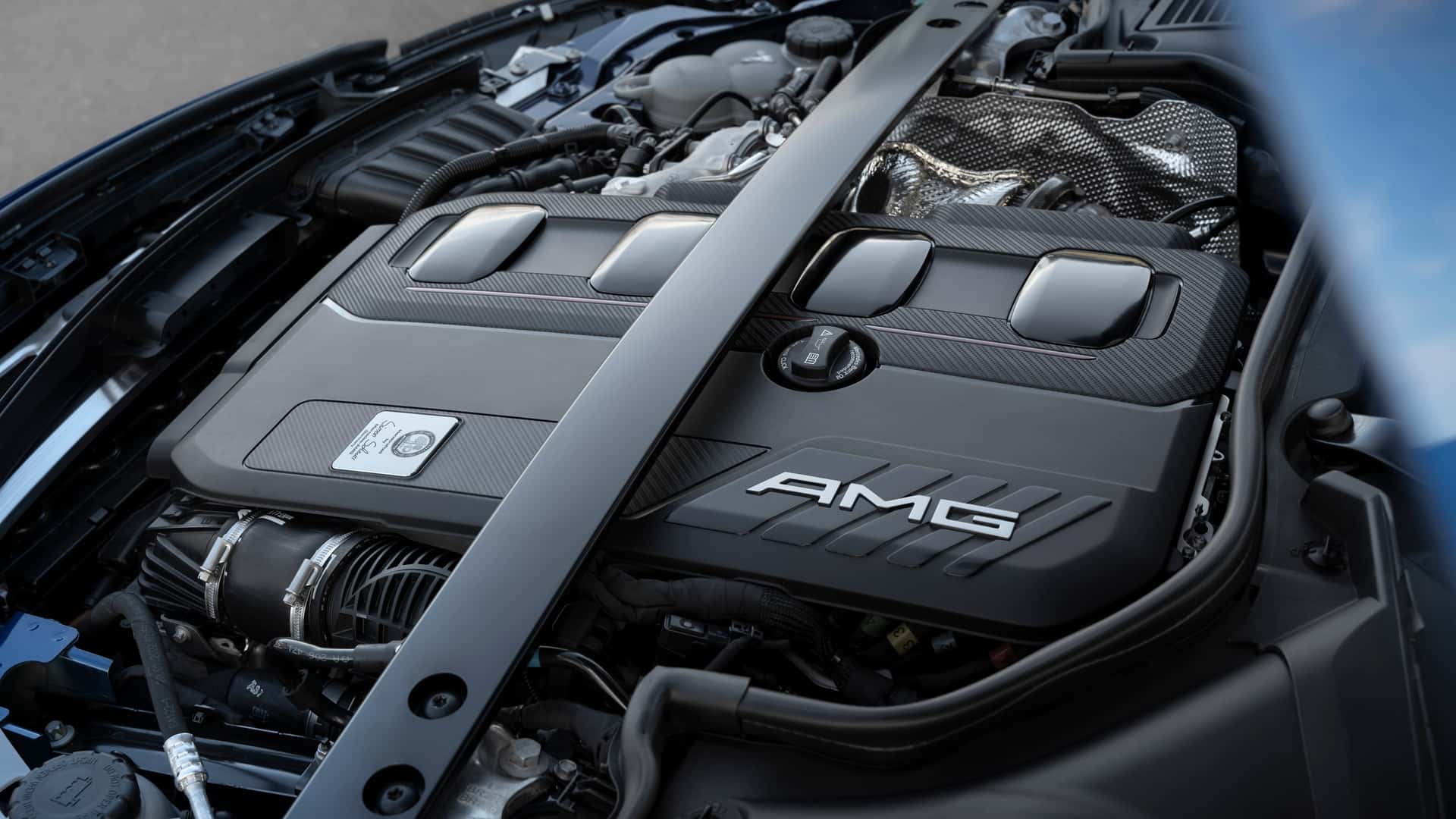
The German newspaper Bild quoted important statements from Manfred Weber, head of the European People’s Party (EPP), the largest and most powerful political bloc within the European Parliament, in which he confirmed that “the actual ban on internal combustion engines will be canceled indefinitely.”
The agreement reached during a night meeting this week stated:
Starting in 2035, car companies will be required to reduce carbon dioxide emissions by 90% instead of 100%. There will also not be a complete reduction target of 100% after 2040, which means canceling the technical ban on internal combustion engines, and continuing the production and sale of all engines currently manufactured in Germany.
In other words: “Combustion engines will not be killed by law.”
What does a 90% reduction in emissions mean?
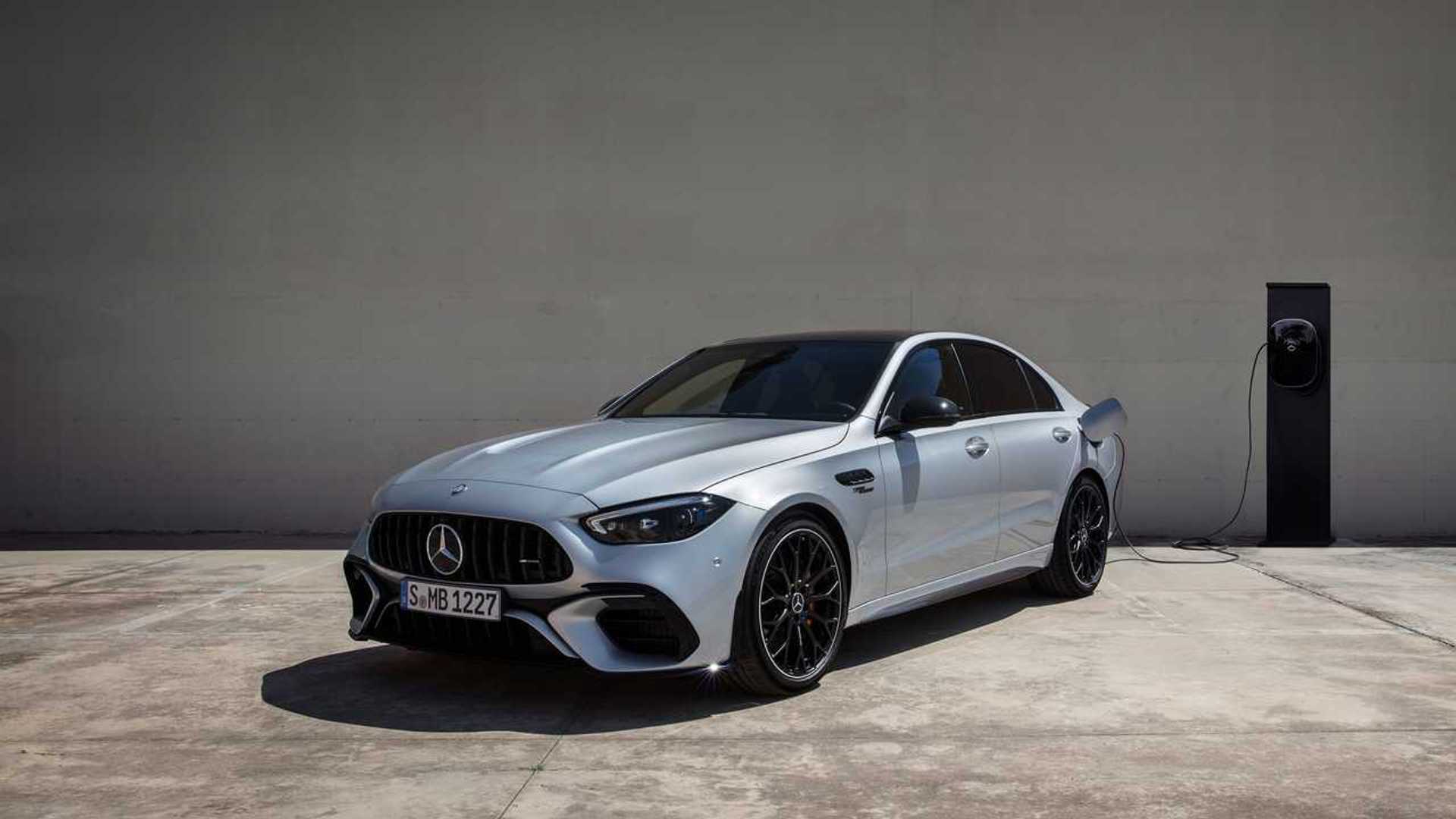
The difference between 90% and 100% is not as simple as it seems. This small margin opens the door to:
- The continuation of plug-in hybrids (PHEVs).
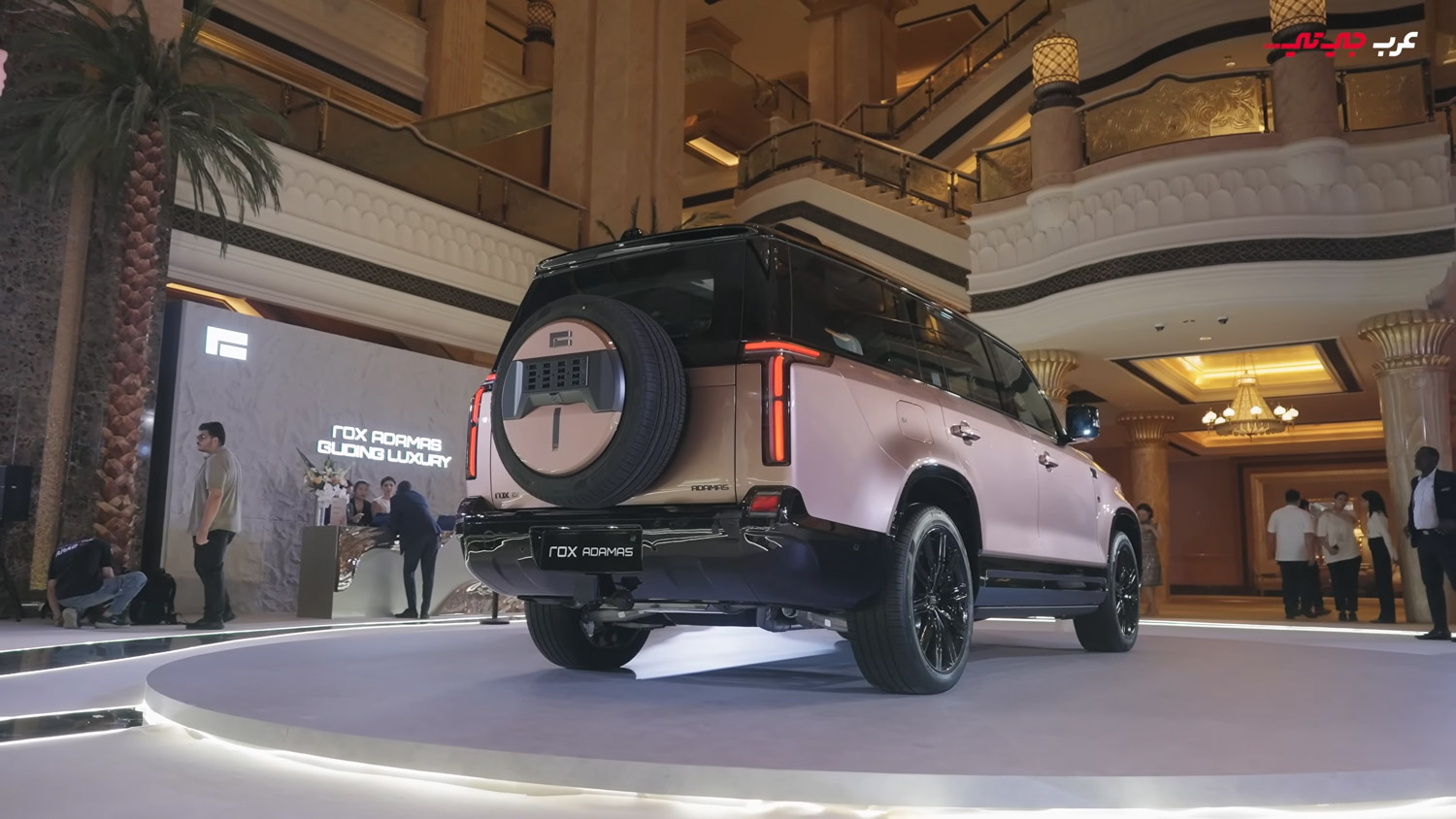
- Allowing electric cars equipped with a small gasoline engine that works as a charging generator (Range Extender). These technologies have been recently tested in many cars, such as Rocks 01 and Dong Feng 007 etc.
- Developing cleaner fuel technologies without abandoning conventional engines entirely.
This gives car companies real flexibility instead of forcing them to transform completely and hastily.
Why has the European Union backed down now?
The European People’s Party (EPP) leader’s statement that the bloc will not impose a full cut in emissions by 2040 is an indirect admission that the previous ban was hasty.
With the exception of a few companies like Volvo and Polestar, most of the global car companies strongly opposed the 2035 decision, and it seems that the continuous pressure from manufacturers is starting to bear fruit.
A European decision with global impact
Any decision issued by Europe does not remain confined within its borders. All major companies sell their cars in the European market, and the continuation of combustion engines means:
- Greater diversity of engine options globally
- Maintaining engine plants and production lines
- Protecting hundreds of thousands of jobs
- Reducing financial pressure on businesses and consumers
In simpler words: combustion engines are still in the game
The official announcement from the European Commission is expected early next Tuesday, December 16.
Conclusion
Despite the global trend towards electricity, it seems that realism is beginning to trump idealistic decisions. Europe is recalculating, the auto industry is breathing a sigh of relief, and lovers of the sound of engines…have good reason to smile.
The question remains:
Are we witnessing a new era of coexistence between electricity and gasoline instead of complete exclusion?