After years of controversy and decisive statements, the European Union took a pivotal step that restored hope to fans of internal combustion engines. Instead of a complete ban on gasoline and diesel engines by 2035, European countries officially announced an easing of the restrictions of the laws, in a decision that reflects a clear change in the future mobility strategy within the Old Continent.
The European Union officially retreats: combustion engines will remain after 2035!
From complete ban to smart emissions reduction
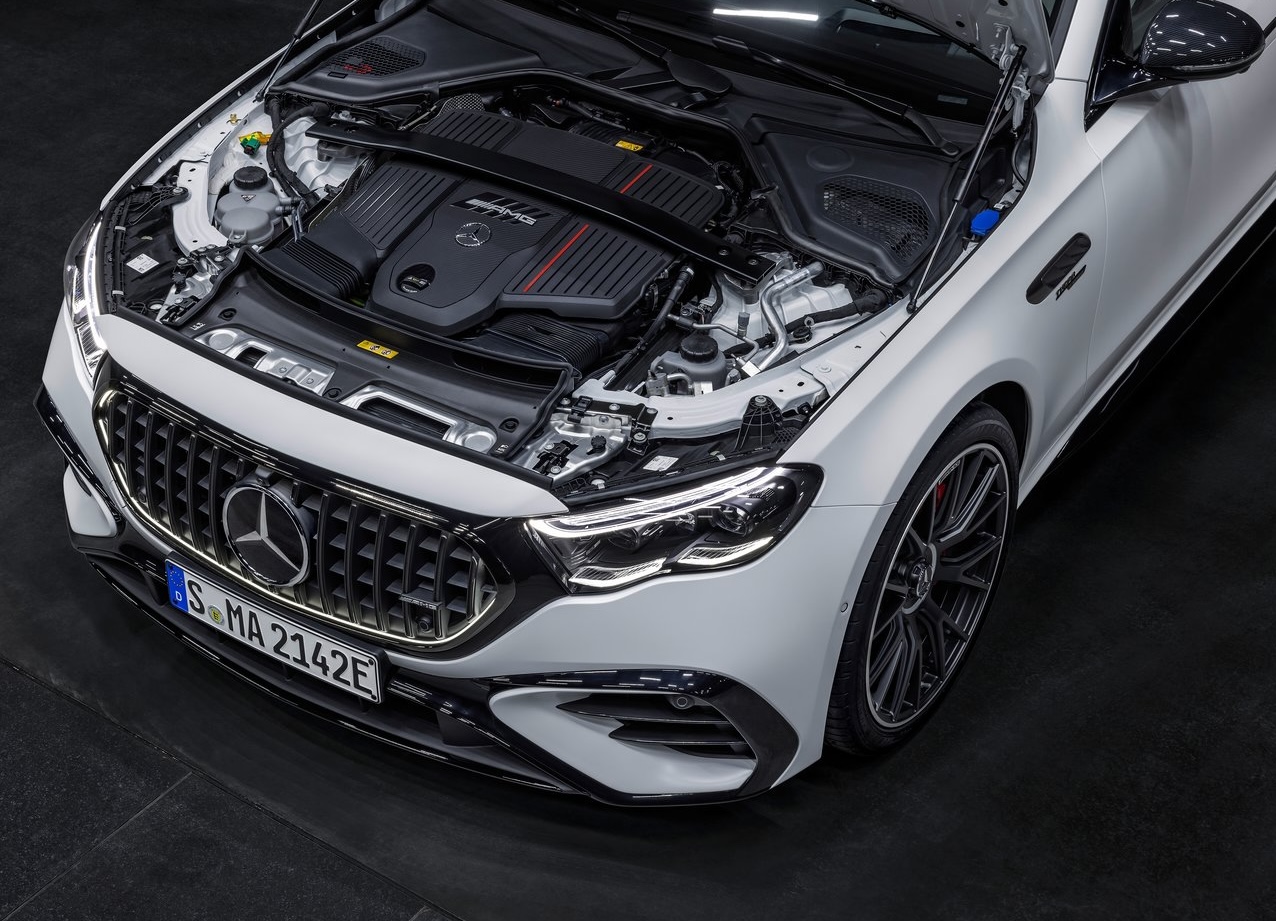
In the original plan, the EU aimed to cut carbon dioxide emissions from car exhausts by 100% compared to 2021, which in practice meant mandating only electric cars and excluding combustion engines completely after 2035.
However, with the decline in global enthusiasm for electric cars, and the return of a large number of companies to invest in fuel engine technologies, the European Union decided to change its course.
According to Reuters, the “zero emissions” goal has been officially replaced with a more flexible goal, which requires reducing emissions by 90% compared to 2021 levels.
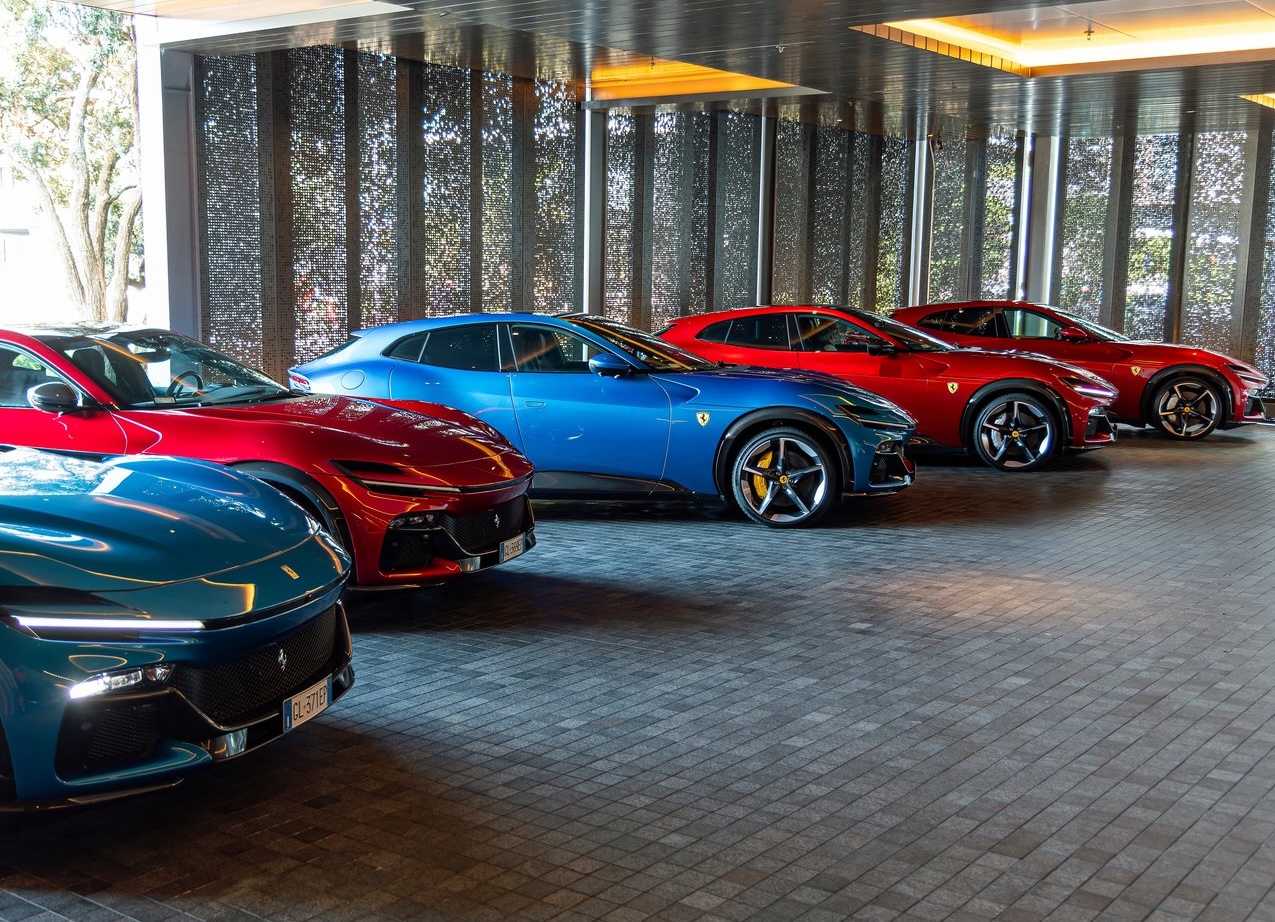
What does this decision mean in practice?
This fundamental change means that:
- Hybrid cars – hybrid cars -.
- Plug-in Hybrid cars – Plug-in Hybrid cars -.
- Extended Range Electric Vehicles (REEV) e.g Rocks 01-.
They will still be allowed to be sold after 2035 within the European Union.
The remaining 10% of emissions will be compensated through alternative solutions such as:
- Using low-emission steel produced within Europe
- Reliance on synthetic fuels (e-fuels)
- Or rely on biofuels
- No technical ban anymore
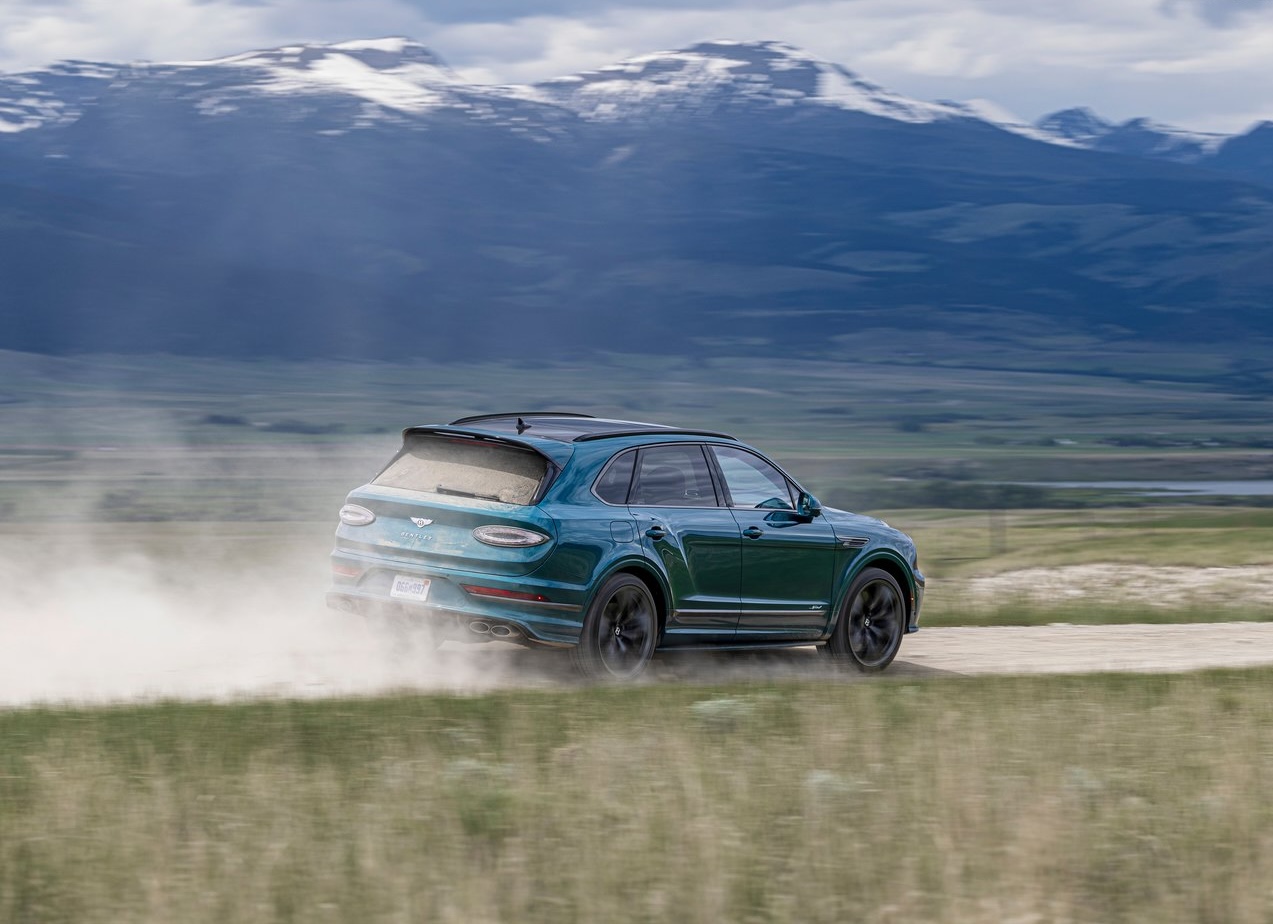
The head of the European People’s Party (EPP), the largest political bloc in the European Parliament, confirmed the decision in a statement to the German newspaper Bild, saying:
“From new car registrations after 2035, companies will be required to achieve a 90% reduction in carbon dioxide – CO₂ – emissions rather than a 100% reduction. There will also be no target for a complete reduction in emissions after 2040.”
This means that a technical ban on combustion engines is no longer on the table.
To put it more clearly: all engines currently produced in Germany and Europe can continue to be produced and sold.
Transitions and additional dilution
The new decision gives car companies an important transition period:
Between 2030 and 2032: emissions must be reduced by 55% compared to 2021
For Vans: Abatement requirements reduced from 50% to 40%.
Corporate pressure paid off
This decline did not come out of nowhere, but rather came after strong pressure from the German, Italian and European automotive sectors, where giant groups such as Volkswagen and Stellantis stated that implementing a complete ban would be almost impossible from an industrial and economic standpoint.
In the end, the European Union implicitly admitted that the previous decision was hasty, and that realism required transitional solutions rather than a complete rupture.
Conclusion
Combustion engines are not dead yet… but they have entered a new, tougher and smarter phase.
The coming years will see gasoline and electricity coexist, with a greater focus on reducing emissions rather than eliminating technologies entirely.
Share your opinion with us:
Do you see this decision as a victory for realism or a delay in the alleged environmental transformation?